No rain, but plenty of cats and dogs
A week in Zambia’s South Luangwa

Pre-dawn sky over Mwamba Camp, Shenton Safaris
It is an amazing feeling when you step off the plane arriving back somewhere you haven’t been for over a decade and immediately feel like you are where you belong. Before meeting your guide, before even stepping outside the airport terminal, there is something about the smell in the air, the temperature and the sense of being present in the moment.
Arriving at Mfuwe airport was like that. We had not been to South Luangwa in 12 years and immediately we couldn’t remember why. Such minor details as schedule constraints melted away into insignificance.
I love travelling somewhere where I feel like I could be shown a photograph and know immediately where it was taken. There are only a handful of places I have been that are like that and South Luangwa is one of them.
There are scenes and animals you simply do not find anywhere else, with wildlife that is not sanitised by decades of human habituation. There is still a wildness here that grabs at your soul and drags you into an exhilarating adventure.
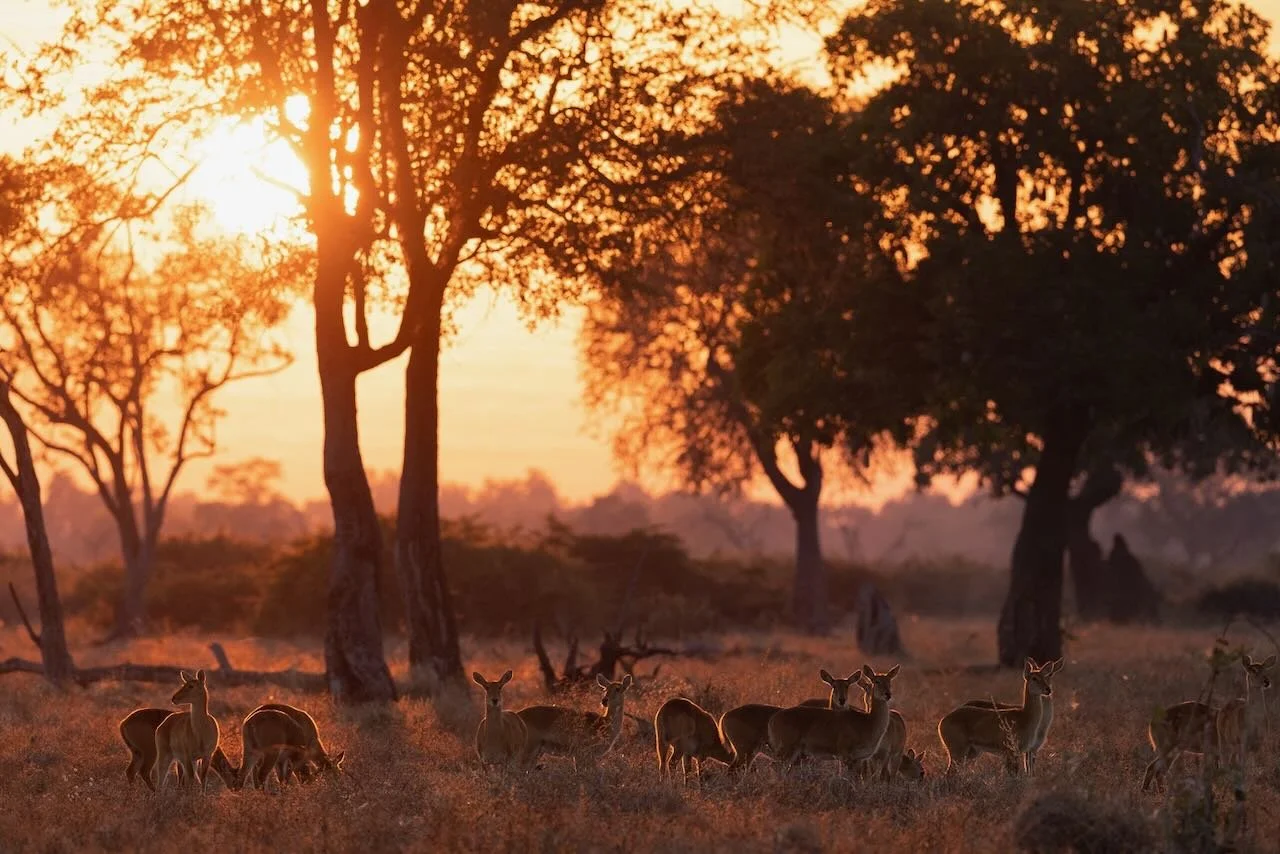
Puku, an antelope synonymous with South Luangwa, in the dusty dawn light of a new day. © Laura Dyer Photography
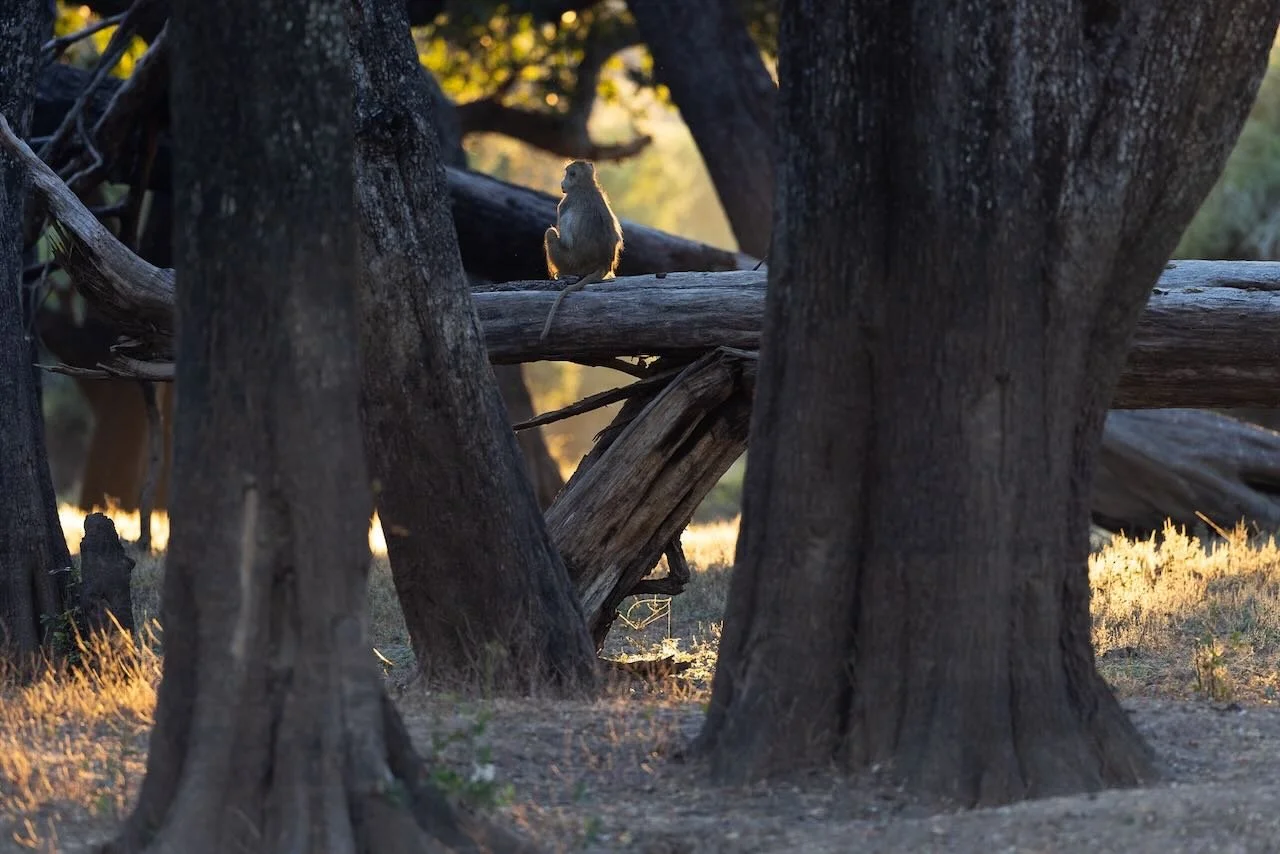
An Olive baboon enjoys a peaceful morning in one of South Luangwa’s famous ebony groves. © Laura Dyer Photography
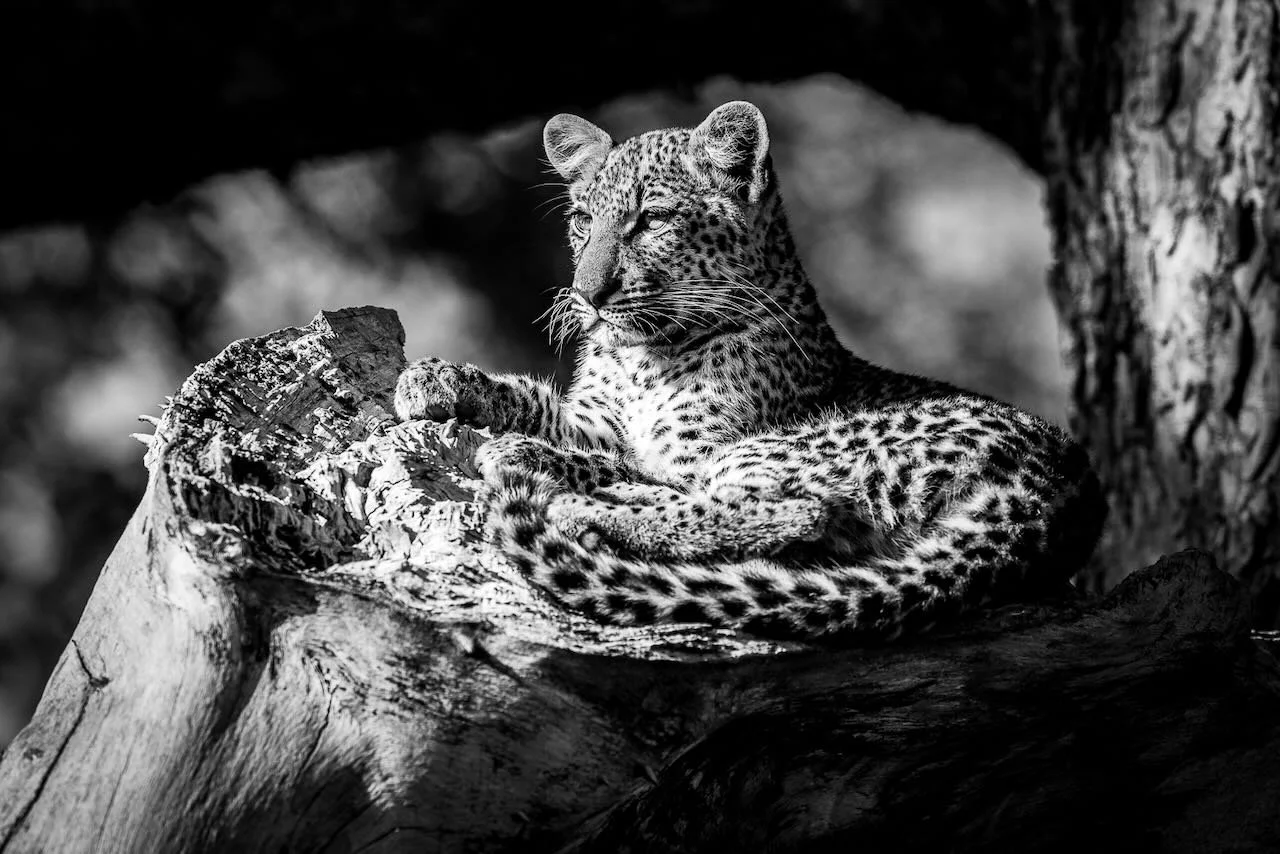
Not easily accessible for around 4 months each year, South Luangwa is an extraordinary habitat for wildlife. With large swathes of the park under water due to the annual flooding of the Luangwa River, the roads are near-impassable and the animals are pressed westward returning to the banks of the river as the flood waters subside. This annual event leaves the landscape scarred by the daily commutes of thousands of hippos moving between the river and their nightly sources of food through the soft earth which, as it dries, leaves permanent trails that deepen every season forming a network of below-ground-level highways. A perfect hunting strategy for leopards…

Young leopard cubs near Shenton’s Kaingo Camp pause their game to check if mum is returning. © Laura Dyer Photography
South Luangwa is known for its high concentration of leopards, and there are few places that can rival it for quality sightings. We enjoyed many days filming and photographing this beautiful dappled cat in near-total solitude with just the sounds of the river and its massive population of hippos for company.
Leopards, however, are not the only dappled creatures that roam the land here. The highly endangered African Wild Dog is a prized sighting anywhere in Africa but here in South Luangwa there are a number of packs with really good chances of seeing them.
They are amazing animals to see though nigh on impossible to photograph and film - but we try.
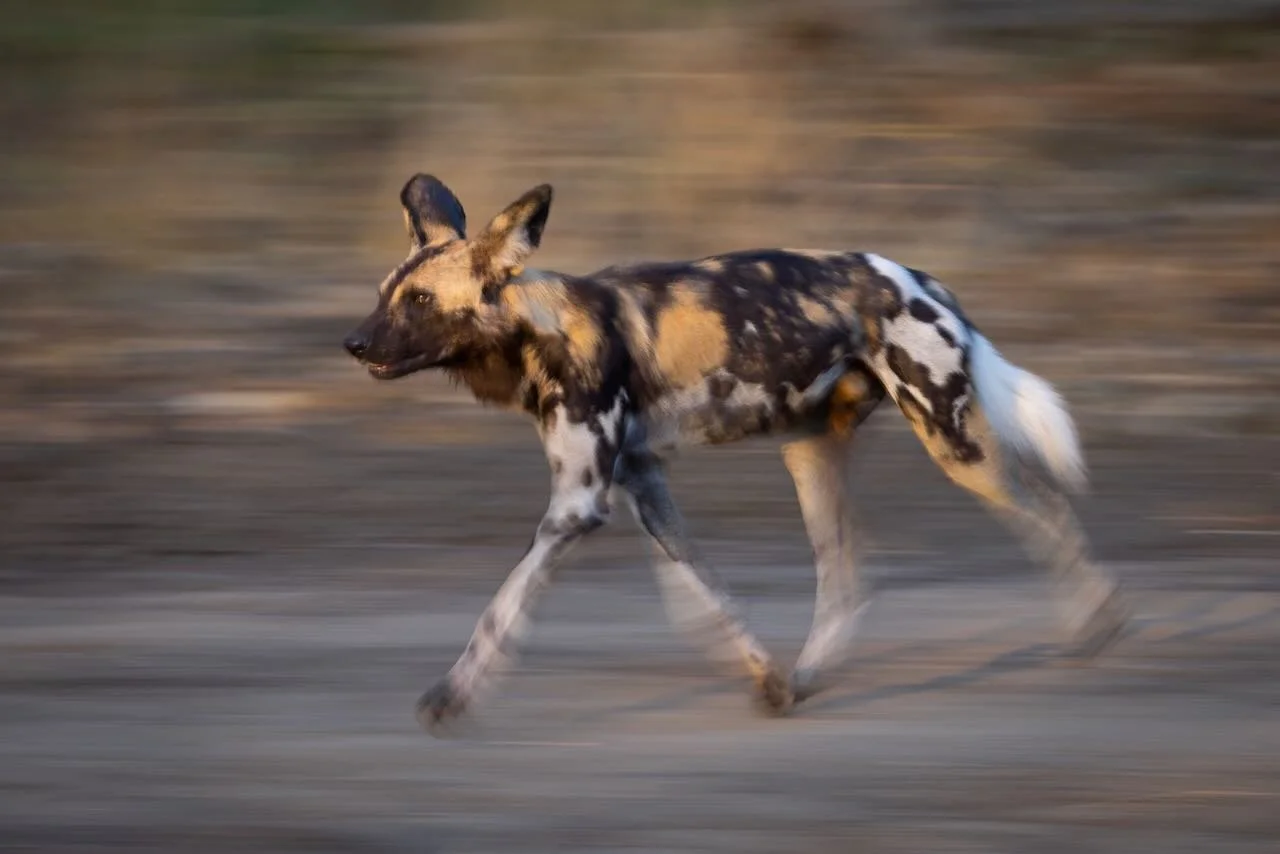
These beautiful painted wolves (African Wild Dog) are always amazing to see and spend time with. © Laura Dyer Photography
Hearing the excited squeals of delight as the pack wakes up and begins preparations for their near twice-daily hunt is one of the great joys on any safari. It is a wonderful moment to witness, seeing the love and familial bonds these dogs share with each other.
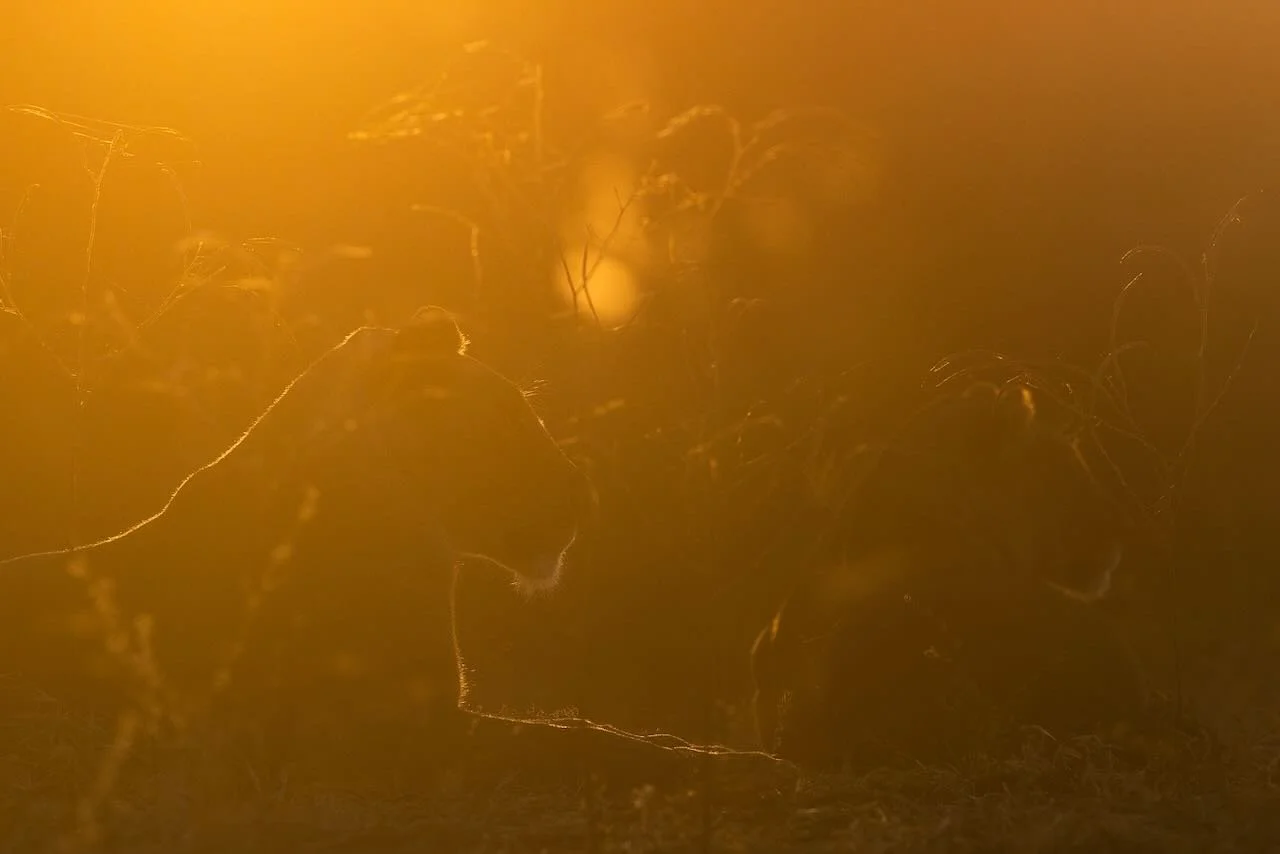
A lioness surveys the world at dawn. ©Laura Dyer Photography
Unfortunately, hunting has played a major role in shaping the lion population here. While hunting is not a year-round affair in the neighbouring area, it has a year-round impact. The male lions here have no manes. The genes have been hunted out. And bringing in male lions from other parts of Africa will never have an impact as long as hunting is permitted. I feel very strongly that hunting should be banned in Africa. If we are serious about conservation then there is no argument that can be made for putting a price on one animal one time over the longevity of the African wildlife. And this scenario here is a perfect example. There are always so many unintended consequences for while the lion population is healthy in number, they are not genetically natural…
In saying that, we absolutely love filming and photographing here. It is wild, unique, and feels ancient. It feels African.
© Laura Dyer Photography